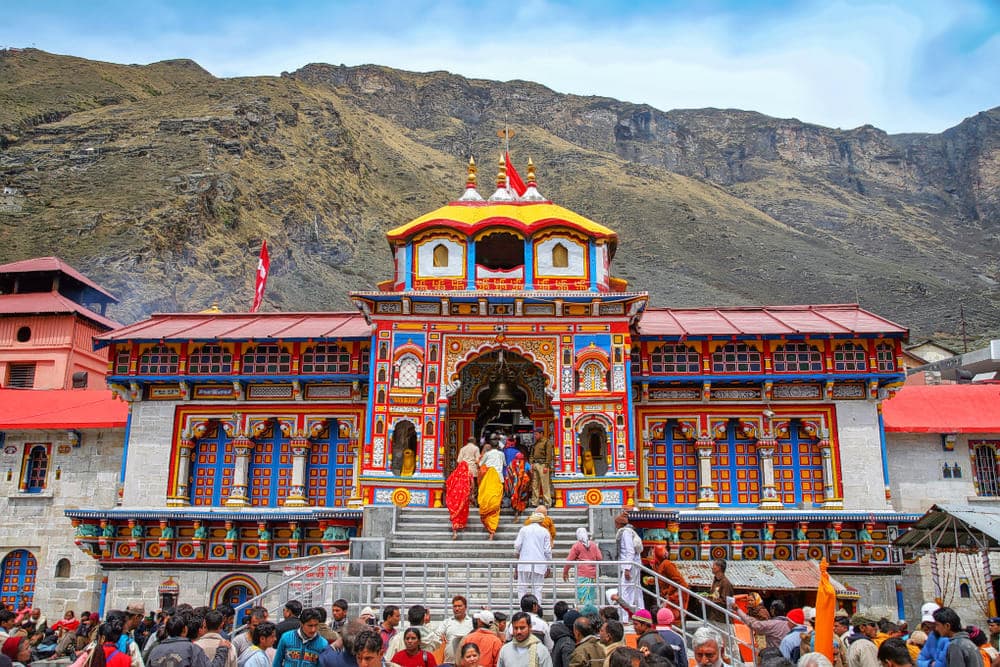
Char Dham Yatra: Complete Route & Planning Guide
Badrinath, Kedarnath, Gangotri, and Yamunotri — the sacred circuit that draws 3 million pilgrims every year.
The Char Dham Yatra — visiting Badrinath, Kedarnath, Gangotri, and Yamunotri — is among the most sacred pilgrimages in Hinduism. Nestled in the Garhwal Himalayas of Uttarakhand, these four temples draw over 3 million pilgrims annually during a narrow season window of May to November. The yatra involves high-altitude travel (Kedarnath sits at 3,583 metres), challenging mountain roads, unpredictable weather, and physical demands that require careful preparation — especially for senior pilgrims. This guide covers everything you need to plan a safe, comfortable, and spiritually fulfilling Char Dham Yatra.
The Four Dhams: What to Expect at Each
Each of the four temples has its own character, altitude, and accessibility challenges. Yamunotri (3,293m) is the source of the Yamuna river — the trek from Janki Chatti is 6 km (pony/palki available). Gangotri (3,100m) is the origin of the Ganga — accessible by road, no trek required. Kedarnath (3,583m) is the highest and most challenging — a 16 km trek from Gaurikund (helicopter service available). Badrinath (3,133m) is the most accessible — fully connected by road, with the temple in the town centre. The traditional route goes Yamunotri first, then Gangotri, Kedarnath, and finally Badrinath.
- Yamunotri (3,293m): 6 km trek from Janki Chatti — pony and palki available
- Gangotri (3,100m): Road-accessible, no trek, easiest of the four
- Kedarnath (3,583m): 16 km trek — helicopter service available (Rs 7,000-12,000)
- Badrinath (3,133m): Fully road-accessible, temple in town centre
When to Go: The Season Window
The Char Dham temples open in late April or early May (exact dates determined by the Hindu calendar) and close in October-November before winter snowfall. The best months are May-June (before monsoon) and September-October (after monsoon). July-August brings heavy monsoon rains, landslides, and road closures — avoid this period entirely. Registration is mandatory through the Uttarakhand government portal — register online at least 2 weeks before your planned dates to secure your slot.
- Opening: Late April/early May (dates vary yearly)
- Best months: May-June and September-October
- Avoid: July-August (monsoon, landslides, road closures)
- Closing: October-November (Diwali week typically)
Physical Preparation and Health Considerations
The Char Dham involves high-altitude travel where oxygen levels are lower. Acute Mountain Sickness (AMS) affects many pilgrims, especially those over 60 or with heart/lung conditions. Start preparing 4-6 weeks before: walk 3-5 km daily to build stamina. Consult your doctor about altitude sickness medication (Diamox). Carry a pulse oximeter to monitor oxygen levels during the yatra. Acclimatise by spending at least one night at an intermediate altitude before reaching the temples. And critically — do not push through symptoms like severe headache, nausea, or breathlessness. Descend immediately if these occur.
- Start walking 3-5 km daily at least 4 weeks before the yatra
- Consult your doctor about altitude sickness prevention (Diamox)
- Carry a pulse oximeter and monitor SpO2 levels above 3,000m
- Spend 1 night at an intermediate altitude to acclimatise before ascending
Logistics: Transport, Accommodation, and Cost
The yatra typically starts from Haridwar or Rishikesh. Private vehicle hire (Innova or Tempo Traveller) is the most comfortable option — Rs 35,000-50,000 for a 10-12 day circuit. Accommodation ranges from dharamshalas (Rs 200-500/night) to GMVN tourist rest houses (Rs 1,000-3,000/night) to private hotels (Rs 2,000-6,000/night). Book accommodation well in advance — availability is extremely limited during peak season. Total cost for a comfortable 10-12 day Char Dham Yatra: Rs 25,000-50,000 per person including transport, accommodation, meals, and helicopter for Kedarnath.
- Private vehicle (10-12 days): Rs 35,000-50,000
- Accommodation: Rs 1,000-6,000/night depending on category
- Kedarnath helicopter: Rs 7,000-12,000 per person (one way)
- Total per person: Rs 25,000-50,000 for a comfortable yatra
Senior Pilgrims: Making the Yatra Accessible
Many Char Dham pilgrims are senior citizens fulfilling a lifelong spiritual aspiration. The key to making the yatra safe for seniors: use the helicopter service for Kedarnath (eliminates the 16 km trek entirely). Hire a pony or palki for Yamunotri (available at Janki Chatti). Choose premium accommodation with attached bathrooms, hot water, and medical facilities. Keep the itinerary at 12-14 days instead of 10 — the extra rest days make a significant difference at altitude. And most importantly, carry all medications with a doctor's letter, including emergency supplies.
- Kedarnath helicopter eliminates the 16 km trek completely
- Pony/palki for Yamunotri: Rs 2,000-4,000 (round trip)
- Extend the itinerary to 12-14 days for comfortable pacing
- Carry all medications with a doctor's prescription letter
Frequently Asked Questions
Can senior citizens do the Char Dham Yatra?
Do I need to register for the Char Dham Yatra?
What is the Do Dham Yatra?
Related Articles
The Complete Shirdi Pilgrimage Guide
Shirdi attracts over 200,000 pilgrims daily. With the right planning, you can avoid the chaos, get comfortable darshan, and focus on what matters — your spiritual experience.
Read articleSenior TravelHow to Plan a Stress-Free Trip with Senior Parents
Planning a trip with senior parents requires attention to mobility, health, and comfort. Here are the practical steps that make the difference between a stressful ordeal and a joyful family memory.
Read articleTravel PlanningWhat to Look for in a Travel Planning Partner
60% of Indian travellers report unreliable booking information. 80% feel overcharged. Here is how to evaluate any travel service before handing over your money and your holiday.
Read articlePlanning a Char Dham Yatra?
We handle the complete logistics — registration, transport, accommodation, helicopter bookings, and medical preparedness — so you focus on the spiritual experience.
Get Free Char Dham Itinerary