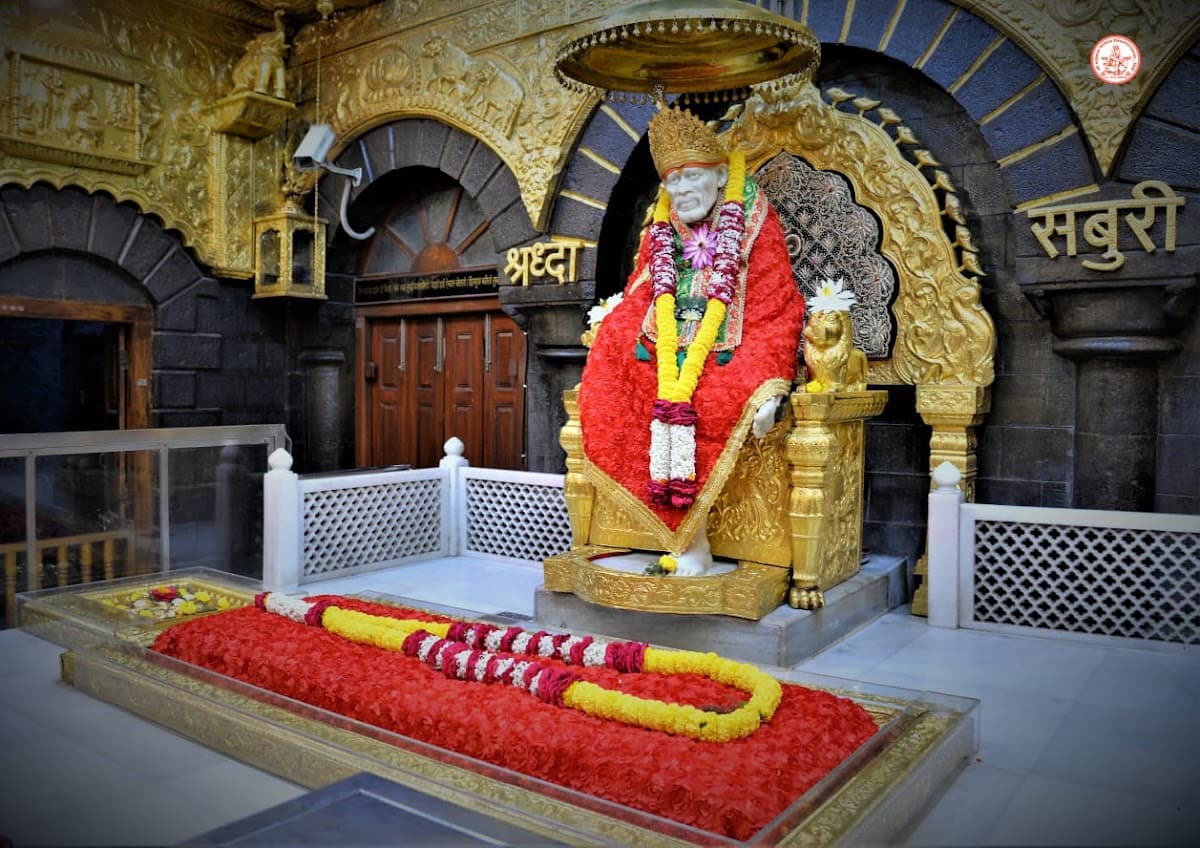
The Complete Shirdi Pilgrimage Guide
Darshan timings, travel logistics, accommodation tips, and how to make your Shirdi yatra smooth and meaningful.
Shirdi, the sacred home of Sai Baba, draws over 200,000 pilgrims every single day — making it one of the busiest pilgrimage sites in India. The sheer volume means that without planning, your spiritual journey can become an exercise in queue management, uncomfortable waits, and logistical confusion. But it does not have to be that way. Whether you are visiting for the first time or returning for your annual yatra, this guide covers everything you need to know to make your Shirdi pilgrimage smooth, comfortable, and spiritually fulfilling.
Understanding Shirdi Darshan Timings
The Sai Baba Samadhi Mandir follows a strict schedule. Knowing these timings is the difference between a 30-minute darshan and a 4-hour wait. The temple opens at 4:00 AM for Kakad Aarti (morning prayer) — arriving at 3:30 AM gives you the most intimate darshan experience with far fewer crowds. The general darshan queue operates from 6:00 AM to 10:00 PM. Afternoon (2:00 PM to 4:00 PM) and late evening (after 8:00 PM) typically have shorter wait times.
- Kakad Aarti: 4:00 AM — arrive by 3:30 AM for best experience
- Madhyan Aarti: 12:00 PM — midday prayer ceremony
- Dhoop Aarti: Sunset — beautiful evening ceremony
- Shej Aarti: 10:30 PM — closing ceremony, must be inside by 10:00 PM
How to Reach Shirdi
Shirdi is well-connected from major cities. The nearest airport is Shirdi Airport (SAG), about 14 km from the temple, with direct flights from Delhi, Mumbai, Hyderabad, and Bengaluru. Alternatively, Aurangabad Airport is 130 km away. By train, Sainagar Shirdi railway station is the closest, with trains from Mumbai (6 hours), Pune (5 hours), and Hyderabad (10 hours). By road, Shirdi is 296 km from Mumbai (5-6 hours) and 185 km from Pune (3-4 hours). We recommend private vehicle transfers for families with seniors — public transport can be uncomfortable during peak pilgrimage seasons.
- Shirdi Airport (SAG): Direct flights from 6 major cities
- Sainagar Shirdi Station: Trains from Mumbai, Pune, Hyderabad
- By road from Mumbai: 5-6 hours via NH160
- By road from Pune: 3-4 hours via NH60
Accommodation Options Near the Temple
Accommodation in Shirdi ranges from the Sansthan-run dharamshalas (basic but clean, starting from Rs 100/night) to 3-star and 4-star hotels (Rs 2,000-6,000/night). The Sai Sansthan Trust operates several accommodation blocks — booking these requires advance registration on the official website. For families with senior members, we strongly recommend hotels within 1 km of the temple with elevator access, attached Western-style bathrooms, and 24-hour hot water. The walk from even a nearby hotel can be challenging for elderly pilgrims.
- Sai Sansthan Trust rooms: Book 60 days in advance on the official portal
- Budget hotels: Rs 800-1,500/night within 500 metres of the temple
- Premium hotels: Rs 2,500-6,000/night with AC, elevator, room service
- For seniors: Choose hotels with wheelchair ramps and ground-floor options
Making the Most of Your Pilgrimage
Beyond the main Samadhi Mandir, Shirdi has several other sacred sites worth visiting. Dwarkamai, the mosque where Sai Baba lived for decades, is just steps from the main temple. Chavadi, where Baba slept on alternate nights, is nearby. The Lendi Garden, where Baba would take daily walks, offers a peaceful respite from the crowds. Plan to spend at least 2 full days in Shirdi to experience everything without rushing. Many pilgrims also combine Shirdi with visits to Shani Shingnapur (65 km) and Aurangabad's Ajanta-Ellora caves (130 km).
- Dwarkamai: The mosque where Sai Baba resided — free entry, less crowded
- Chavadi: Important historical site, evening procession on alternate days
- Lendi Garden: Peaceful walking area, ideal for meditation
- Combine with Shani Shingnapur (65 km) or Ajanta-Ellora (130 km)
Planning for Senior Pilgrims
Many Shirdi pilgrims are senior citizens, and the temple trust does provide wheelchair access and priority darshan lanes. However, the queues can still be long and the environment chaotic during peak times. If you are travelling with elderly family members, plan for early morning darshan (less crowded), arrange wheelchair assistance in advance, stay in a hotel with direct vehicle access to the temple, and carry all medications. Dehydration is common — carry water bottles and oral rehydration salts, especially in summer months when temperatures exceed 40 degrees Celsius.
Frequently Asked Questions
What is the best time to visit Shirdi?
Is there a VIP darshan option?
Can wheelchair users access the main temple?
How many days should I plan for Shirdi?
Related Articles
How to Plan a Stress-Free Trip with Senior Parents
Planning a trip with senior parents requires attention to mobility, health, and comfort. Here are the practical steps that make the difference between a stressful ordeal and a joyful family memory.
Read articleTravel PlanningWhy Your Visa Application Might Get Rejected
India's outbound travel market is worth over Rs 664 crore, yet thousands of visa applications get rejected every year for preventable reasons. Here is how to make sure yours is not one of them.
Read articleTravel PlanningWhat to Look for in a Travel Planning Partner
60% of Indian travellers report unreliable booking information. 80% feel overcharged. Here is how to evaluate any travel service before handing over your money and your holiday.
Read articlePlanning a Shirdi Pilgrimage?
Let us handle the logistics — darshan timing, accommodation, transport, and senior accessibility — so you can focus on your spiritual experience.
Get Free Pilgrimage Itinerary