Kerala in Monsoon: Why It's the Best Time to Visit
Lower prices, lush greenery, Ayurvedic season, and zero crowds — the case for visiting God's Own Country from June to September.
Ask anyone "what is the best time to visit Kerala?" and you will hear "September to March." That is the standard answer — and it is wrong. Well, not entirely wrong, but it misses the secret that locals and Ayurvedic practitioners have known for centuries: monsoon is when Kerala is at its most magical. The state receives its southwest monsoon from June to September, transforming the landscape into cascading waterfalls, impossibly green hillsides, and swollen rivers that make the backwaters even more spectacular. Add 40% lower hotel prices, zero tourist crowds, and the fact that Ayurvedic treatments are considered most effective during monsoon — and you have a compelling case for visiting God's Own Country in the "off season."
Why Ayurveda Is Best in Monsoon
This is not marketing — it is ancient science backed by modern practice. During monsoon, the atmosphere is cool and moist, pores open naturally, and the body is most receptive to detoxification and rejuvenation therapies. Panchakarma (the five-fold Ayurvedic purification therapy) is traditionally prescribed during monsoon months. Kerala's Ayurvedic resorts in Kumarakom, Varkala, and Alleppey offer extended wellness retreats specifically designed for this season. Treatments that cost Rs 5,000-8,000 per session in peak season drop to Rs 3,000-5,000 during monsoon — without any reduction in quality.
- Panchakarma treatments are traditionally most effective in monsoon months
- Cool, humid atmosphere opens pores for better oil and herb absorption
- Ayurvedic resort prices drop 30-40% during June-September
- Extended retreat packages (7-14 days) available at significant discounts
The Monsoon Landscape Is Unmatched
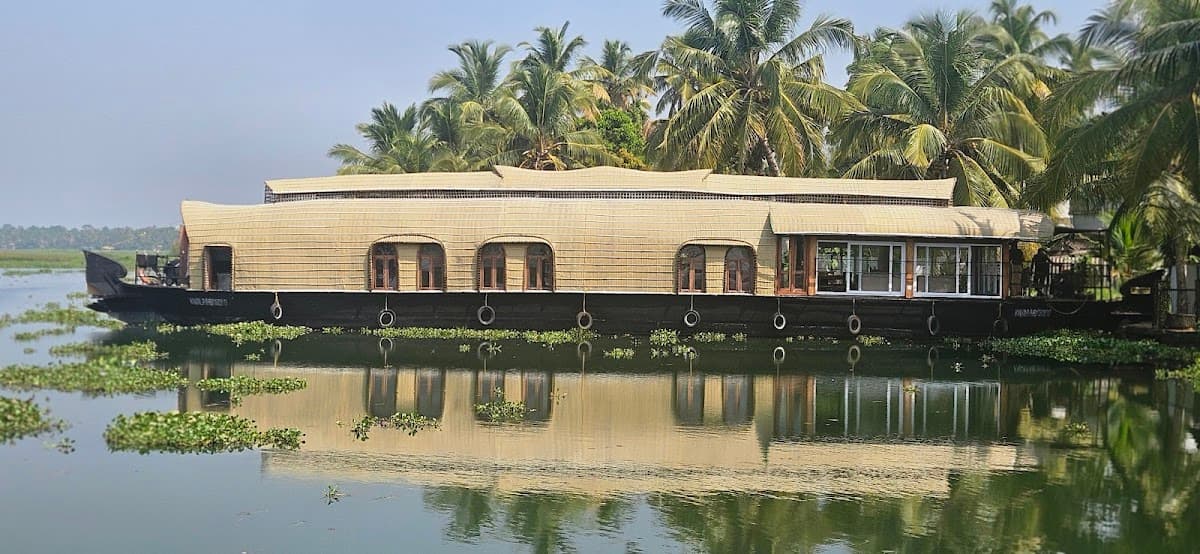
Munnar's tea plantations turn an electric shade of green. Athirappilly Falls (Kerala's Niagara) reaches its thundering peak. The backwaters swell and the houseboats cruise through a landscape that looks like a painting. The Western Ghats come alive with mist, waterfalls you will not see in any other season, and a biodiversity explosion that thrills nature lovers. Photographers and artists specifically visit Kerala during monsoon because the light, the colours, and the drama are unmatched at any other time of year.
- Athirappilly and Vazhachal Falls at their most spectacular
- Munnar tea plantations at peak green intensity
- Backwaters at their most photogenic with lush surroundings
- Periyar Wildlife Sanctuary — animals more visible near water sources
Practical Tips for Monsoon Travel in Kerala
Yes, it rains — sometimes heavily. That is part of the experience, not a barrier to it. Smart packing and planning make all the difference. Pack quick-dry clothes and waterproof bags for electronics. Invest in good waterproof footwear — not flip-flops, which become dangerous on wet surfaces. Book accommodation with covered sit-outs or verandas so you can enjoy the rain from comfort. And plan indoor activities (cooking classes, spice plantation tours, Kathakali performances) alongside outdoor ones.
- Pack waterproof bags for electronics and documents
- Bring quick-dry clothes and proper waterproof footwear
- Book hotels with covered verandas — watching the rain is the experience
- Mix outdoor activities with indoor options (cooking classes, temple visits, performances)
Budget Comparison: Peak vs. Monsoon Season
The financial case for monsoon Kerala is strong. A comfortable Kerala trip that starts from Rs 35,000 per person in peak season (November-March) can be done for Rs 20,000-25,000 during monsoon — same quality, same experiences, sometimes better service because the staff are less rushed. Houseboat stays in Alleppey that cost Rs 12,000-15,000/night in December drop to Rs 6,000-8,000 in July. Flight prices from Mumbai and Delhi are typically 25-30% lower. Ayurvedic resorts offer extended-stay discounts that make 2-week wellness retreats genuinely affordable.
- Hotels: 30-40% lower rates across all categories
- Houseboats: Rs 6,000-8,000/night vs Rs 12,000-15,000 in peak season
- Flights: 25-30% cheaper from major cities
- Ayurveda packages: Extended retreats at significantly reduced rates
What to Avoid During Kerala Monsoon
Honesty is important: not everything is better during monsoon. Beach activities in Kovalam and Varkala are limited — the sea gets rough and swimming is dangerous. Some remote hill trails close due to landslide risk. The far northern regions (Wayanad) can experience heavy flooding in August. Stick to the central Kerala circuit — Cochin, Munnar, Thekkady, Alleppey, Kumarakom — for the safest and most enjoyable monsoon experience. And always check weather advisories before and during your trip.
- Avoid beach swimming — rough seas and strong currents
- Skip remote hill treks — landslide risk on some trails
- Check weather advisories for Wayanad and northern regions
- Stick to central Kerala circuit for the safest experience
Frequently Asked Questions
Is it safe to visit Kerala during monsoon?
Will it rain all day during monsoon?
Is monsoon Kerala suitable for senior travellers?
Related Articles
How to Plan a Stress-Free Trip with Senior Parents
Planning a trip with senior parents requires attention to mobility, health, and comfort. Here are the practical steps that make the difference between a stressful ordeal and a joyful family memory.
Read articleFamily Travel5 Mistakes Families Make When Planning Group Vacations
Group family vacations are supposed to create memories. Instead, 30% of them end in frustration. Here are the five most common mistakes — and how to avoid every single one.
Read articleTravel PlanningFirst International Trip? A No-Nonsense Guide
Your first trip abroad does not have to be overwhelming. This practical guide covers everything from passport application to landing at your destination — no jargon, no fluff.
Read articleWant a Monsoon Kerala Itinerary?
Get a custom plan for monsoon Kerala — Ayurvedic retreats, waterfall visits, houseboat stays — at 30-40% lower prices than peak season.
Get Free Kerala Itinerary